
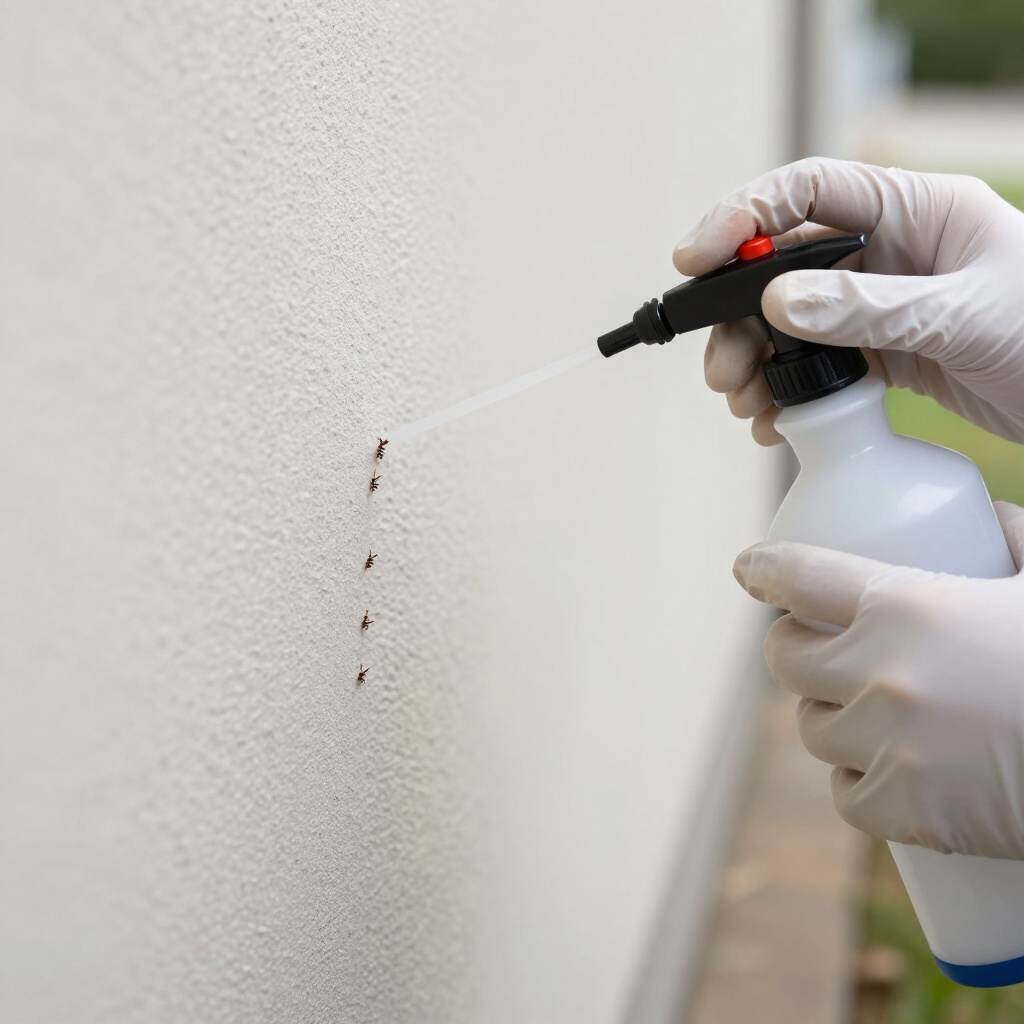


How to Choose a Pest Control Professional in Socorro
Finding the right pest control provider in Socorro means looking beyond basic extermination. Socorro County's unique high desert environment—sitting at the intersection of the Rio Grande Valley and the Magdalena Mountains—creates distinct pest pressures you won't encounter in other parts of New Mexico.
Start by verifying New Mexico Department of Environment Pesticide Applicator Licenses. Any legitimate operator must carry current certification for both general pest and any specialized treatments you need. Ask specifically about experience with desert-adapted species: black widow spiders, scorpions, and desert termites behave differently here than their cousins in more humid climates.
Local knowledge matters enormously in Socorro. Providers familiar with the county's irrigation patterns, seasonal monsoon cycles, and the interface between agricultural lands and residential areas will spot infestation risks that outsiders miss. Request references from properties near your own—whether you're in town near New Mexico Tech, out toward the Sevilleta National Wildlife Refuge, or in the foothills. Water availability fluctuations throughout Socorro County directly impact where pests concentrate and how they behave.
Finally, confirm they offer integrated pest management (IPM) approaches appropriate for our sensitive desert ecosystem. Aggressive chemical applications can damage beneficial insect populations and contaminate groundwater in our arid setting.
What to Expect from Pest Control Services in Socorro
Your first service typically begins with a thorough inspection lasting 45-90 minutes. Technicians examine foundation perimeters, crawl spaces, attic access points, and landscaping features that bridge indoor and outdoor environments. In Socorro's older adobe and frame homes near the historic district, they'll pay special attention to wall penetrations for utilities and the unique thermal properties that affect pest movement.
Following assessment, you'll receive a written treatment plan specifying target pests, methods, products, and scheduling. Most residential programs in Socorro County operate on quarterly maintenance cycles, though initial infestations may require monthly visits for 60-90 days. Summer monsoons (July through September) often trigger activity spikes requiring additional intervention.
Treatments combine perimeter barrier applications, targeted interior spot treatments, and mechanical modifications—sealing entry gaps, adjusting moisture conditions, and modifying harborage areas. Technicians should explain re-entry intervals, pet safety precautions, and what results timeline to anticipate. Desert pest control requires patience; some species like desert subterranean termites demand extended monitoring before complete elimination becomes apparent.
Reputable providers return between scheduled visits at no charge if pest activity persists. Document any sightings and communicate promptly—desert ecosystems change quickly, and early intervention prevents established infestations.
Available Pest Control Services
Providers throughout Socorro County offer comprehensive protection tailored to our regional challenges:
- General Pest Control — Ongoing protection against ants, spiders, cockroaches, crickets, and silverfish common to Rio Grande Valley homes
- Termite Control & Inspections — Specialized treatment for desert subterranean termites, with pre-purchase WDI reports required for real estate transactions
- Scorpion Control — Blacklight-assisted population reduction and harborage elimination for the striped bark scorpion prevalent in rocky terrain
- Rodent Management — Exclusion and population control for pack rats, deer mice, and roof rats attracted to rural and semi-rural properties
- Bed Bug Treatment — Heat remediation and targeted chemical protocols, increasingly needed with travel through Interstate 25 corridor
- Wildlife & Nuisance Animal Control — Humane removal of skunks, raccoons, snakes, and birds, with particular attention to protected species common near Bosque del Apache
- Mosquito & Flying Insect Programs — Breeding site reduction and adult control, critical during monsoon season near standing water
- Commercial Pest Management — Customized programs for restaurants, lodging, agricultural processing, and research facilities serving New Mexico Tech and federal installations
Many providers also offer specialized agricultural pest consultation for the county's chile, alfalfa, and pecan operations, bridging residential and commercial expertise.
Frequently Asked Questions
Are scorpions common inside homes in Socorro?
Scorpion encounters increase significantly from May through October, particularly in homes abutting rocky hillsides or undeveloped desert. Modern perimeter treatments substantially reduce indoor invasions, though complete elimination remains unrealistic in our environment. Sealing gaps under doors, around windows, and where utilities enter provides essential backup protection.
How does the monsoon season affect pest activity?
July through September moisture pulses dramatically reshape pest behavior. Standing water breeds mosquitoes, damp soil drives termite swarming, and increased vegetation supports exploding ant and cricket populations. Most Socorro residents on quarterly service plans benefit from an additional mid-summer treatment during heavy monsoon years.
Do I need different pest control for an adobe home versus frame construction?
Adobe construction presents unique considerations: thick walls harbor pests differently, parapet roofs create distinct access points, and earthen materials respond to moisture in ways that affect termite risk. Experienced local technicians adapt inspection protocols and treatment placements accordingly—verify your provider understands these architectural differences before hiring.