

Termites are one of the most destructive pests a homeowner can face, causing billions of dollars in property damage each year across the United States. The truly troubling part? These silent destroyers often work undetected for months or even years, chewing through wood, flooring, and even wallpaper while you remain completely unaware. By the time obvious signs appear, significant structural damage may already be done. Knowing what to look for can mean the difference between a manageable treatment and a costly reconstruction project. Here are the key indicators that termites may have already made themselves at home on your property.
Signs You May Have Termites in Your Home
Recognizing the early warning signs of a termite infestation requires a keen eye and regular inspection habits. Termites are remarkably good at staying hidden, but they do leave behind subtle clues for observant homeowners.
One of the most common indicators is the presence of mud tubes. Subterranean termites, the most widespread species, build these pencil-width tunnels from soil, wood particles, and their own saliva to travel between their underground colony and their food source. You'll typically find mud tubes running along foundation walls, crawl spaces, or exterior concrete surfaces. Breaking open an active tube will reveal small, creamy-white workers moving inside. If the tube is abandoned, it will appear dry and brittle.
Discarded wings near windowsills, doorways, or light fixtures signal a recent termite swarm. Reproductive termites, called swarmers, emerge in spring to mate and establish new colonies. After their brief flight, they shed their wings, leaving behind piles of delicate, equal-sized wings that resemble fish scales. Finding these wings indoors is a strong indication that a colony exists within or very near your home.
Wood damage itself can be telling, though it often goes unnoticed in early stages. Tap on wooden beams, baseboards, or hardwood floors with the handle of a screwdriver. Healthy wood sounds solid, while termite-damaged wood produces a hollow, papery thud. Advanced infestations may reveal maze-like patterns inside the wood, with galleries running along the grain. Unlike carpenter ants, which leave smooth tunnels, termite galleries contain packed soil and dried feces.
Frass, or termite droppings, resembles small piles of sawdust or coffee grounds. Drywood termites push these pellets out of tiny kick holes in the wood they're infesting. You might find frass accumulating on floors or windowsills beneath damaged areas. Each pellet has six distinct sides, making it distinguishable from ordinary sawdust.
Subtle and Often-Overlooked Warning Signs
Beyond the classic indicators, several less obvious symptoms can suggest termite activity. Buckling or blistering paint on wooden surfaces often results from moisture that termites introduce as they tunnel. You might mistake this for water damage, but without an identifiable leak, termites become the likely culprit.
Doors and windows that suddenly become difficult to open or close may indicate warping from termite damage. As these pests consume wood and create moisture within the structure, the framing can shift subtly, causing misalignment. Similarly, sagging floors or ceilings suggest that structural supports have been compromised from within.
A quiet clicking sound coming from walls deserves attention. Soldier termites bang their heads against wood or shake their bodies to signal danger to the colony. This sound is faint and most noticeable at night when the house is still. Some homeowners also report a rustling noise similar to crinkling paper.
Unexplained increases in your home's humidity or a musty, mold-like odor in specific areas can accompany large termite colonies. The moisture they generate creates conditions where mildew thrives, producing distinctive smells that seem to have no visible source.
Where to Inspect for Termite Activity
Conducting your own preliminary inspection can help you catch problems early. Focus on areas where wood meets soil, as this provides termites with both food and moisture. Check crawl spaces, basement corners, and the perimeter of your foundation, especially where landscaping mulch or wooden debris accumulates against the house.
Examine any wooden structures that contact the ground directly, including fence posts, deck supports, and firewood stacks stored near your home. Even concrete slab foundations aren't immune—termites can enter through cracks as narrow as a credit card's edge.
Inside, pay special attention to areas with moisture problems. Leaky pipes, poor ventilation, and damp basements create ideal conditions for termite survival. Inspect behind appliances, under sinks, and around bathroom fixtures where wood may have suffered water damage.
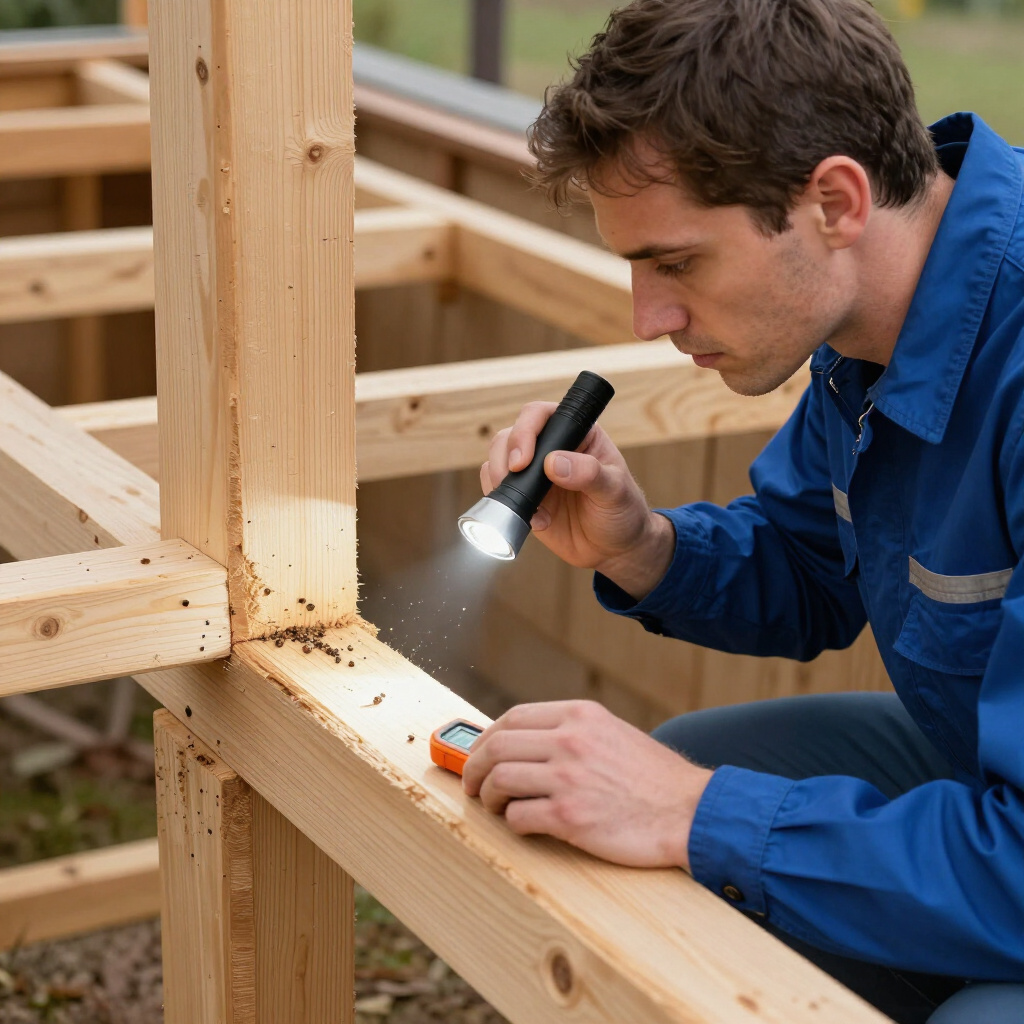
Annual professional inspections remain the gold standard for termite detection. Pest control specialists have the training, tools, and experience to identify early infestations that homeowners routinely miss. Thermal imaging cameras, moisture meters, and acoustic detection devices reveal hidden activity invisible to the untrained eye.
What to Do If You Suspect Termites
Discovering potential termite signs demands prompt action, not panic. Avoid disturbing visible mud tubes or damaged wood excessively, as this can alert the colony and cause them to retreat deeper into the structure, making professional treatment more challenging.
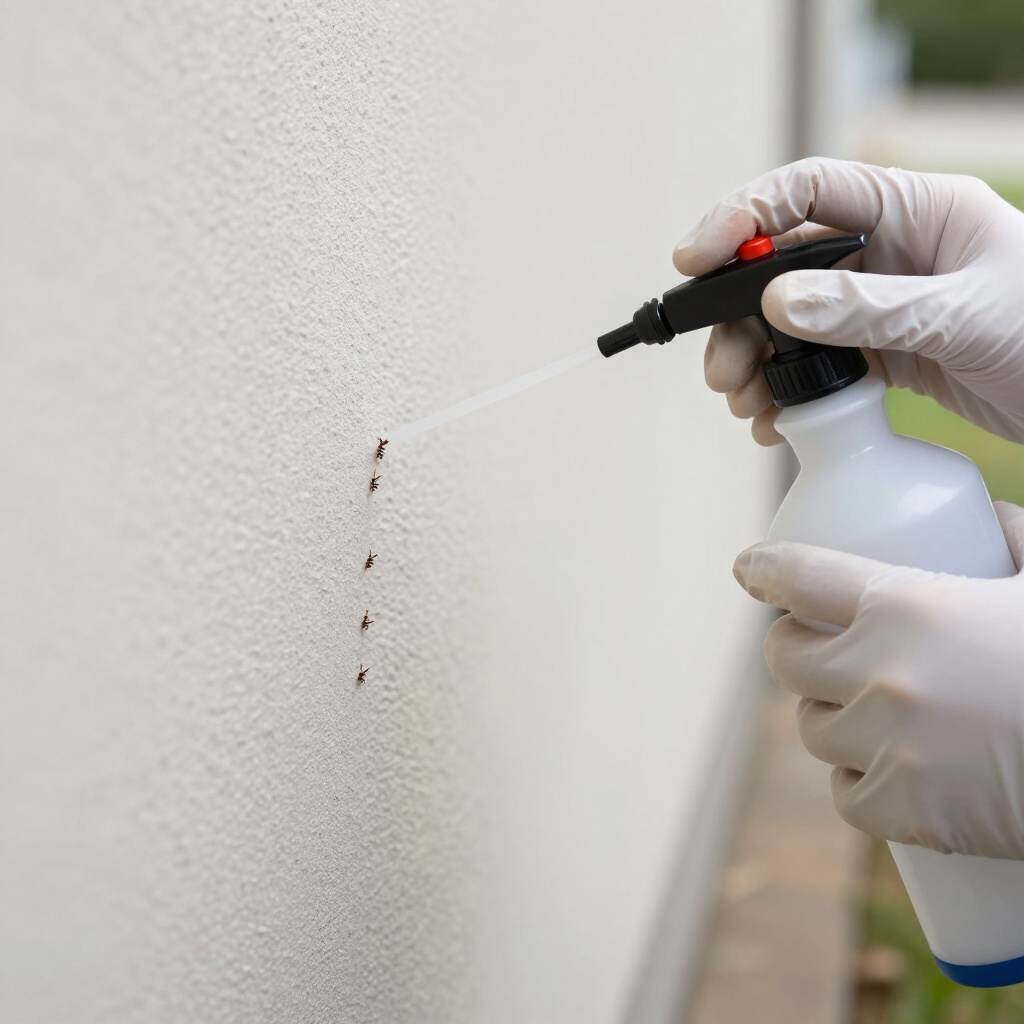
Document what you've found with photographs and notes about locations. This information helps pest control professionals assess the situation quickly and accurately. Resist the temptation to apply over-the-counter sprays or home remedies—these typically kill only surface workers while driving the main colony to expand into new areas.
Contact a licensed pest control company for a thorough inspection and treatment recommendation. Modern termite control offers several effective options, from liquid soil treatments that create protective barriers to baiting systems that eliminate entire colonies. The right approach depends on your home's construction, the termite species involved, and the extent of infestation.
Final Thoughts
Staying vigilant for the signs you may have termites protects both your home's structural integrity and your financial wellbeing. These persistent insects never stop working, but neither should your awareness. Regular self-inspections combined with professional evaluations create the strongest defense against costly damage. If anything in this article resonates with conditions you've noticed around your property, trust your instincts and schedule an inspection. Early detection transforms a potential disaster into a manageable situation, preserving your home's value and your peace of mind for years to come.