

When ants march across your kitchen counter or aphids cluster on your garden tomatoes, reaching for a harsh chemical spray might feel like your only option. But more homeowners are discovering that natural pest control methods can be just as effective—without the worry of exposing family, pets, or beneficial insects to toxic residues. The key is knowing which approaches actually deliver results and how to apply them strategically. Whether you're dealing with indoor invaders or protecting your vegetable garden, these proven techniques can help you reclaim your space the natural way.
Natural Pest Control Methods That Actually Work in Your Home
Effective indoor pest management starts with understanding what attracts unwanted visitors in the first place. Food sources, moisture, and entry points are the three main factors that determine whether pests settle in or pass through. Natural pest control methods that actually work address all three without relying on synthetic chemicals.
Diatomaceous earth deserves a spot in every natural pest control toolkit. This fine powder, made from fossilized aquatic organisms, damages the exoskeletons of crawling insects like ants, cockroaches, and silverfish, causing them to dehydrate. Sprinkle food-grade diatomaceous earth along baseboards, behind appliances, and in other areas where you've spotted activity. Reapply after vacuuming or mopping, and always use a mask during application to avoid inhaling the dust.
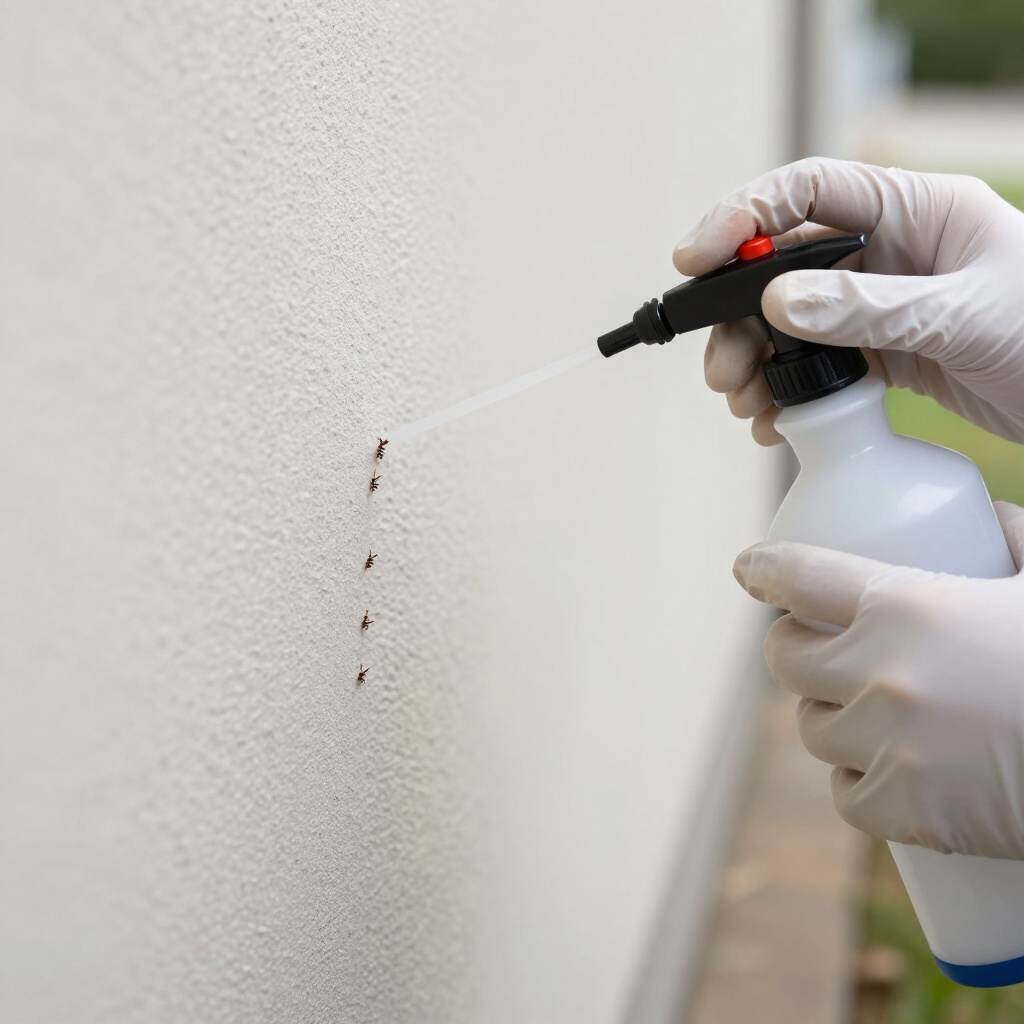
Essential oils offer another powerful line of defense. Peppermint oil repels spiders and mice, while tea tree and eucalyptus oils deter various crawling insects. Create a simple spray by adding fifteen to twenty drops of your chosen oil to a cup of water with a splash of witch hazel. Apply to door frames, window sills, and other entry points every few days, as the scent dissipates over time. For ant trails specifically, a solution of equal parts white vinegar and water disrupts the pheromone trails they use to navigate, forcing them to abandon their route.
Don't overlook physical barriers and traps. Sticky traps placed strategically can monitor and reduce populations of pantry moths, fleas, and crawling insects. For rodents, ultrasonic repellents paired with steel wool stuffed into gaps create an environment that's inhospitable without poison. The most important step, however, remains sealing entry points—caulk gaps around pipes, repair torn screens, and install door sweeps to prevent pests from finding their way inside in the first place.
Natural Pest Control Methods That Actually Work in the Garden
Outdoor pest control presents different challenges but offers even more opportunities for natural solutions. A healthy, diverse garden ecosystem naturally resists severe infestations better than one dependent on chemical interventions.
Companion planting stands out as one of the most reliable natural pest control methods that actually work for vegetable gardens. Marigolds release compounds from their roots that repel nematodes, while their strong scent confuses many flying pests. Plant them among tomatoes, peppers, and squash. Nasturtiums act as trap crops, drawing aphids and whiteflies away from your vegetables to sacrifice themselves instead. Herbs like basil, rosemary, and mint repel mosquitoes, flies, and various beetles when positioned near susceptible plants.
Beneficial insects are your allies—attract them and they'll handle much of the pest control for you. Ladybugs consume enormous quantities of aphids, while lacewings prey on thrips, mites, and caterpillars. Parasitic wasps, though tiny and harmless to humans, lay eggs inside tomato hornworms and other caterpillars, eventually killing the host. Plant yarrow, dill, fennel, and cosmos to provide nectar and habitat for these helpful predators. Avoid broad-spectrum insecticides, even organic ones like pyrethrin, because they kill beneficial insects alongside pests and can actually worsen infestations long-term.
Homemade sprays can tackle active problems when prevention isn't enough. A simple garlic and hot pepper spray repels chewing insects on leafy vegetables—blend several garlic bulbs and two hot peppers with water, strain, add a teaspoon of biodegradable soap, and spray in evening when pollinators are inactive. For soft-bodied insects like aphids and spider mites, insecticidal soap made from potassium salts of fatty acids breaks down cell membranes on contact. Commercial versions are readily available, or you can make a mild version with diluted pure castile soap, though homemade alternatives may be less consistent.
Row covers provide physical protection during vulnerable growth stages. Lightweight fabric draped over hoops keeps cabbage worms off brassicas, squash vine borers away from young cucurbits, and leaf miners from spinach and chard. Remove covers once plants flower if they require insect pollination, or hand-pollinate yourself to extend protection.
Key Tips for Making Natural Methods Succeed
Natural pest control requires a shift in mindset from quick elimination to sustained management. These strategies will improve your success rate considerably.
Timing and consistency matter more than potency. Natural repellents break down faster than synthetic chemicals, so reapplication every few days—or after rain—keeps them effective. Monitor your garden and home regularly, catching problems when populations are small rather than waiting for visible damage. A single aphid on a rosebud becomes a thousand within a week under ideal conditions.
Correct identification prevents wasted effort. Not every insect you see is a pest, and not every hole in a leaf indicates a problem worth treating. Learn to distinguish beneficial insects from harmful ones, and tolerate minor cosmetic damage on ornamental plants. Some leaf feeding actually stimulates stronger growth in established plants.
Combine multiple approaches for best results. No single method handles every situation, but layered strategies create robust protection. In your garden, this might mean companion planting plus row covers plus beneficial insect habitat. Indoors, it could involve sealing entry points, removing food sources, and using targeted essential oil applications together.
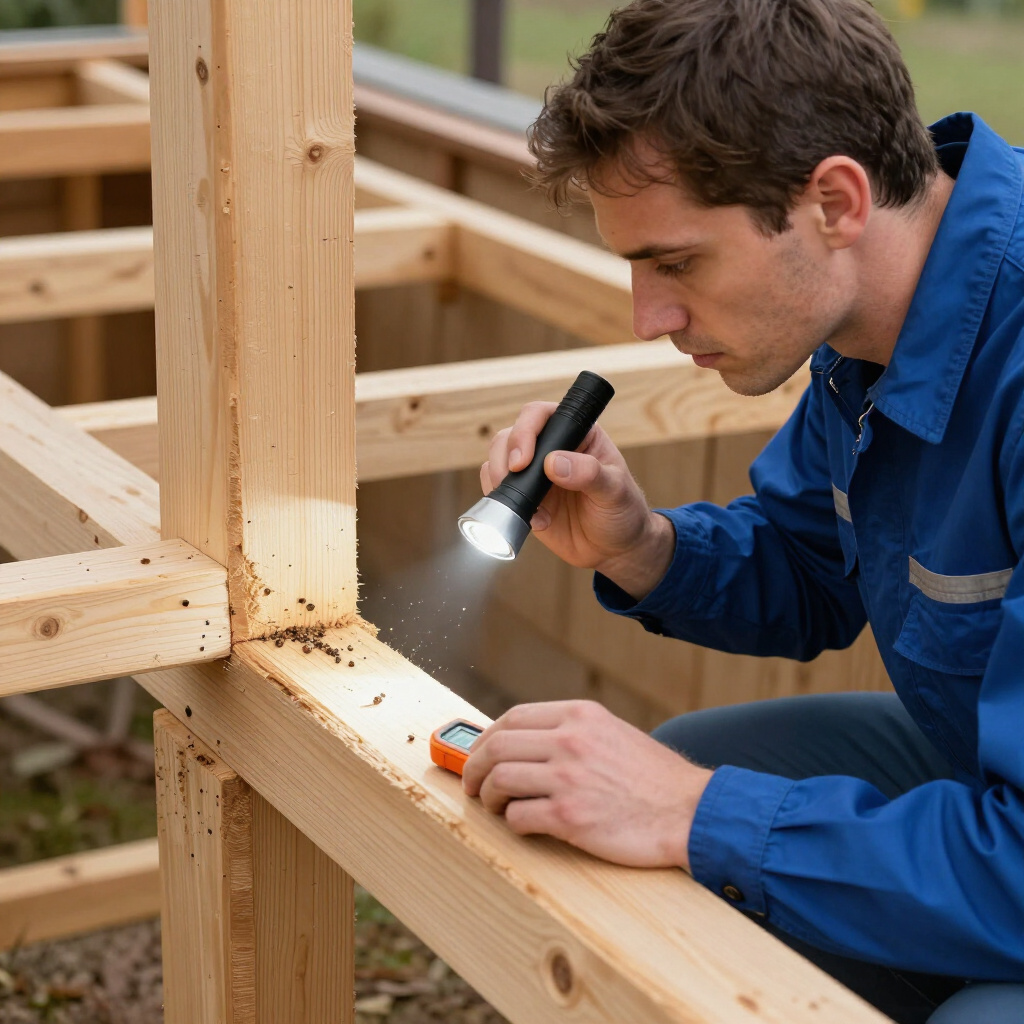
Finally, know when to escalate. Severe termite infestations, bed bug outbreaks, and certain structural pests may require professional intervention. Natural pest control methods that actually work handle most common situations beautifully, but there's no shame in calling experts when the problem exceeds what home remedies can reasonably address.
Final Thoughts
Natural pest control isn't about accepting defeat or living with unwanted critters—it's about working with nature rather than against it. The methods outlined here have proven themselves effective across countless homes and gardens when applied thoughtfully and consistently. Start with prevention, build biodiversity, intervene early with targeted treatments, and adjust based on what you observe. Over time, you'll develop an intuitive sense for which approaches suit your specific situation. Your home stays protected, your garden thrives, and the surrounding ecosystem benefits from your choices. That's a genuinely sustainable approach to pest management that pays dividends well beyond the current season.