
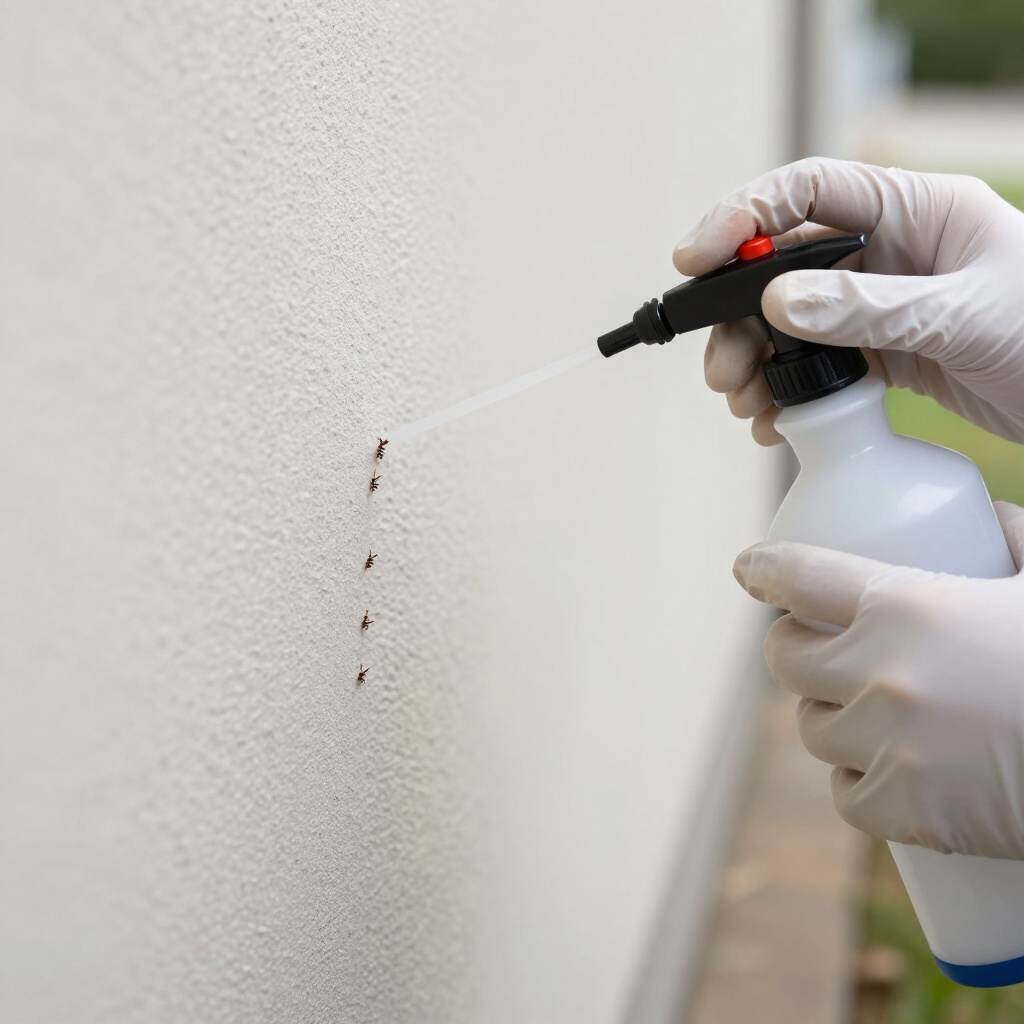


Few things disrupt the comfort of home quite like discovering unwanted guests of the six-legged variety. Whether it's a trail of ants marching across your kitchen counter or the telltale scratching in the walls at midnight, household pests have a way of making even the most serene spaces feel invaded. The good news? Most infestations are entirely preventable with a combination of vigilance, smart habits, and understanding what attracts these critters in the first place. Let's explore the most common household pests and the practical steps you can take to keep your home protected year-round.
Most Common Household Pests and How to Prevent Them
Every region has its own cast of troublesome invaders, but certain pests transcend geography to plague homeowners everywhere. Understanding their behavior, preferences, and vulnerabilities is your first line of defense.
Ants rank among the most pervasive home invaders, with colonies containing thousands of workers constantly foraging for food and water. These persistent insects follow chemical trails laid by scout ants, which explains why you often see them traveling in orderly lines. Once a food source is located, the entire colony mobilizes. Prevention centers on eliminating access to what they seek: store food in airtight containers, wipe counters promptly after meal preparation, fix dripping faucets, and caulk cracks around windows and doors. Outside, trim vegetation away from your foundation and relocate mulch or wood piles that provide harborage.
Cockroaches represent one of the most resilient pest challenges, capable of surviving weeks without food and thriving in remarkably small spaces. These nocturnal insects gravitate toward warmth, moisture, and organic debris. German cockroaches often hitchhike inside via grocery bags or cardboard boxes, while larger species like American cockroaches typically enter through sewer connections and exterior gaps. Effective prevention demands rigorous sanitation—clean beneath appliances regularly, empty garbage frequently, eliminate cardboard clutter, and address moisture issues including condensation and poor ventilation. Seal gaps around plumbing penetrations with appropriate materials, as these represent primary entry highways.
Rodents seek shelter as temperatures drop, but mice and rats remain active indoors year-round once established. A mouse can squeeze through an opening the width of a pencil, making exclusion challenging but essential. Inspect your home's exterior thoroughly, paying special attention to where utilities enter, foundation cracks, and gaps beneath garage doors. Install door sweeps, repair damaged screens, and consider professional-grade sealants for larger openings. Inside, eliminate nesting materials like fabric scraps and paper, keep pantry goods in chew-proof containers, and maintain clutter-free storage areas where rodents might establish harborage.
Termites operate silently, often causing extensive structural damage before detection. Subterranean termites build mud tubes to travel between soil and wood, while drywood varieties establish colonies entirely within wooden structures. Prevention focuses on moisture management and wood-soil separation: maintain proper grading to direct water away from your foundation, repair leaking gutters and downspouts promptly, and store firewood at least twenty feet from your home. Annual professional inspections provide critical early detection, particularly in regions with established termite pressure.
Bed bugs have resurged dramatically in recent decades, spreading through travel, secondhand furniture, and shared laundry facilities. These adept hitchhikers conceal themselves in mattress seams, furniture crevices, and electrical outlets. Prevention requires vigilance during travel—inspect hotel mattresses before settling in, keep luggage elevated on racks, and launder clothing immediately upon return. Never bring discarded furniture inside without thorough examination. At home, encase mattresses and box springs with protective covers that eliminate hiding spots.
Spiders, while often beneficial predators of other insects, become pests when they establish webs in living spaces or when venomous species are present. Most spider issues stem from abundant prey populations. Reducing flying and crawling insects through proper exterior lighting (use yellow bulbs that attract fewer insects), sealing entry points, and managing landscape lighting will naturally diminish spider activity. Regular web removal with vacuum attachments disrupts established spiders and discourages resettlement.
Mosquitoes require standing water to complete their life cycle, making source reduction the cornerstone of prevention. Weekly inspection of your property can eliminate most breeding opportunities: empty birdbaths, pet dishes, and plant saucers; clear clogged gutters; drill drainage holes in tire swings and container bottoms; and maintain proper pool chemistry. For ornamental water features, consider mosquito fish or biological larvicides. During peak activity periods, wear appropriate repellents and ensure window screens are intact.
Foundational Prevention Strategies That Protect Against Multiple Pests
Certain preventive measures deliver outsized returns by addressing conditions that attract diverse pest species simultaneously. Implementing these foundational practices creates an environment fundamentally less hospitable to invaders.
Moisture control stands paramount. Nearly all household pests require water, and many thrive specifically in humid conditions. Run dehumidifiers in basements and crawl spaces, maintaining relative humidity below sixty percent. Ensure bathrooms have adequate ventilation, repair plumbing leaks without delay, and address condensation on pipes through insulation. Proper exterior drainage prevents water accumulation that sustains outdoor populations near your foundation.
Sanitation discipline eliminates the food sources that initially attract foraging pests. Develop routines for nightly kitchen cleaning, including floor sweeping and countertop wiping. Store pet food in sealed containers rather than leaving bowls out overnight. Manage compost carefully, using sealed bins positioned away from the house. Even clutter itself provides harborage—organized storage with adequate spacing allows for inspection and reduces concealed nesting opportunities.
Structural maintenance closes the physical pathways pests exploit. Schedule seasonal inspections of your home's envelope, addressing deteriorated weatherstripping, damaged vent screens, and separating caulk lines. Pay particular attention to the roofline, where squirrels and bats often find access. Maintain proper attic ventilation that prevents moisture accumulation while screening exhaust vents appropriately.
When Professional Partnership Makes Sense
DIY prevention handles most routine pest pressures effectively, but certain situations warrant professional expertise. Recurring infestations despite consistent prevention efforts often indicate hidden conditions—subterranean termite activity, extensive rodent harborage in wall voids, or bed bug reservoirs in inaccessible locations. Professionals bring specialized detection equipment, targeted treatment methodologies, and warranty-backed solutions that resolve entrenched problems efficiently.
Even without active infestations, many homeowners benefit from quarterly or bi-annual preventive service programs. These scheduled visits provide expert inspection, perimeter barrier maintenance, and early intervention before minor issues escalate. The investment typically proves economical compared to addressing full-blown infestations reactively.
Final Thoughts
Protecting your home from pests is less about dramatic interventions and more about consistent, informed habits. The most common household pests and how to prevent them share common themes: understand what each species needs to thrive, systematically deny those conditions, and maintain vigilance without anxiety. Your home deserves to feel genuinely comfortable—free from the stress of scurrying sounds, unexplained bites, or damaged belongings. Start with one or two prevention priorities this week, add others progressively, and build confidence in your ability to maintain a genuinely pest-resistant environment. When questions arise or situations exceed your comfort level, reputable pest management professionals stand ready to partner in protecting what matters most.