
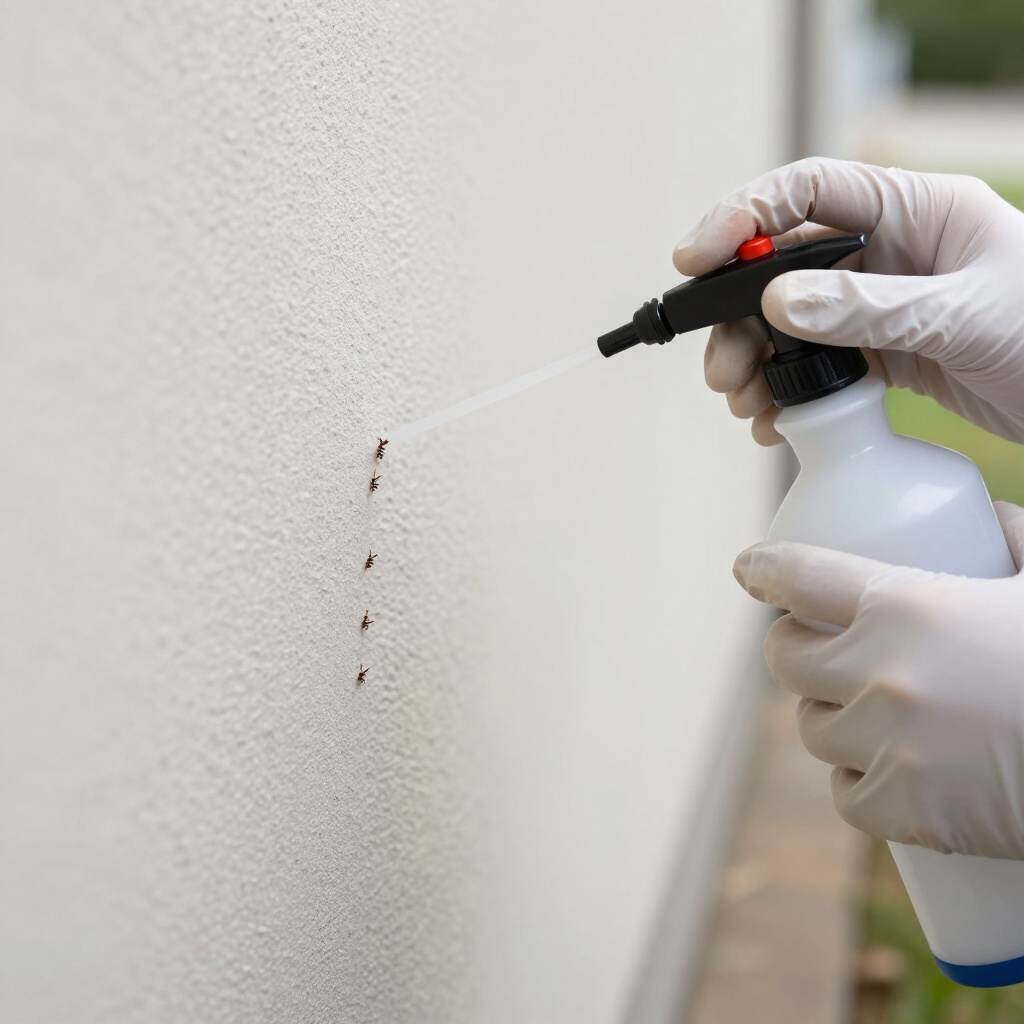

Few things are more frustrating than spotting a trail of ants marching across your kitchen counter or finding them swarming around a forgotten crumb. These tiny invaders seem to appear out of nowhere, and once they establish a scent trail, they keep coming back for more. The good news? With a few smart, consistent habits, you can make your home far less appealing to ants and stop problems before they start. Here's everything you need to know to keep ants outside where they belong.
How to Prevent Ants From Invading Your Home Starts With Eliminating Food Sources
Ants are relentless foragers, and their entire mission is to find food for their colony. Your kitchen is essentially a treasure hunt waiting to happen if you aren't vigilant. The single most effective step in ant prevention is removing what attracts them in the first place.
Store all pantry items—especially sugar, honey, syrup, and grains—in airtight containers made of glass or thick plastic. Ants can easily detect food through thin packaging and will chew through cardboard or thin plastic bags. Wipe down countertops daily with a vinegar-based cleaner, which cleans up residue and disrupts scent trails. Don't forget less obvious spots: the toaster crumb tray, under the refrigerator, around pet food bowls, and the edges of your stove where grease accumulates.
Speaking of pet food, avoid leaving it out overnight. Consider creating a moat around bowls by placing them in a shallow pan of water, or switch to scheduled feeding times and pick up uneaten portions immediately. Even a few kibbles left behind can summon an entire colony.
Seal Entry Points Before Ants Find Them
Ants are remarkably small and resourceful when it comes to finding ways inside. A crack the width of a pencil lead is more than enough for most species to squeeze through. Walk the perimeter of your home with a critical eye, paying special attention to areas where utilities enter, window frames, door thresholds, and foundation cracks.
Use silicone caulk to seal gaps around windows, doors, and pipes. Replace worn weatherstripping and install door sweeps if you can see light coming through underneath. For larger gaps or cracks in your foundation, use an appropriate sealant or foam filler. Don't overlook vents and weep holes in brick exteriors—these can be covered with fine mesh screens that allow airflow but block insect entry.
Inside, check along baseboards, under sinks, and behind appliances for any gaps where pipes pass through walls. These hidden highways let ants travel undetected until they emerge in your living spaces.
Control Moisture and Remove Outdoor Harborage
While food draws ants inside, moisture and shelter keep colonies thriving nearby. Walk around your property and look for conditions that support ant nests. Overgrown vegetation, piles of mulch or firewood, and dense ground cover all provide ideal nesting sites within easy reach of your home.
Trim tree branches and shrubs so they don't touch your house—these act as natural bridges for ants. Keep mulch at least six inches away from your foundation, and consider using less ant-friendly materials like gravel or rubber mulch in zones closest to your walls. Store firewood on a raised platform well away from the structure, and rotate stacks so they don't sit undisturbed for seasons.
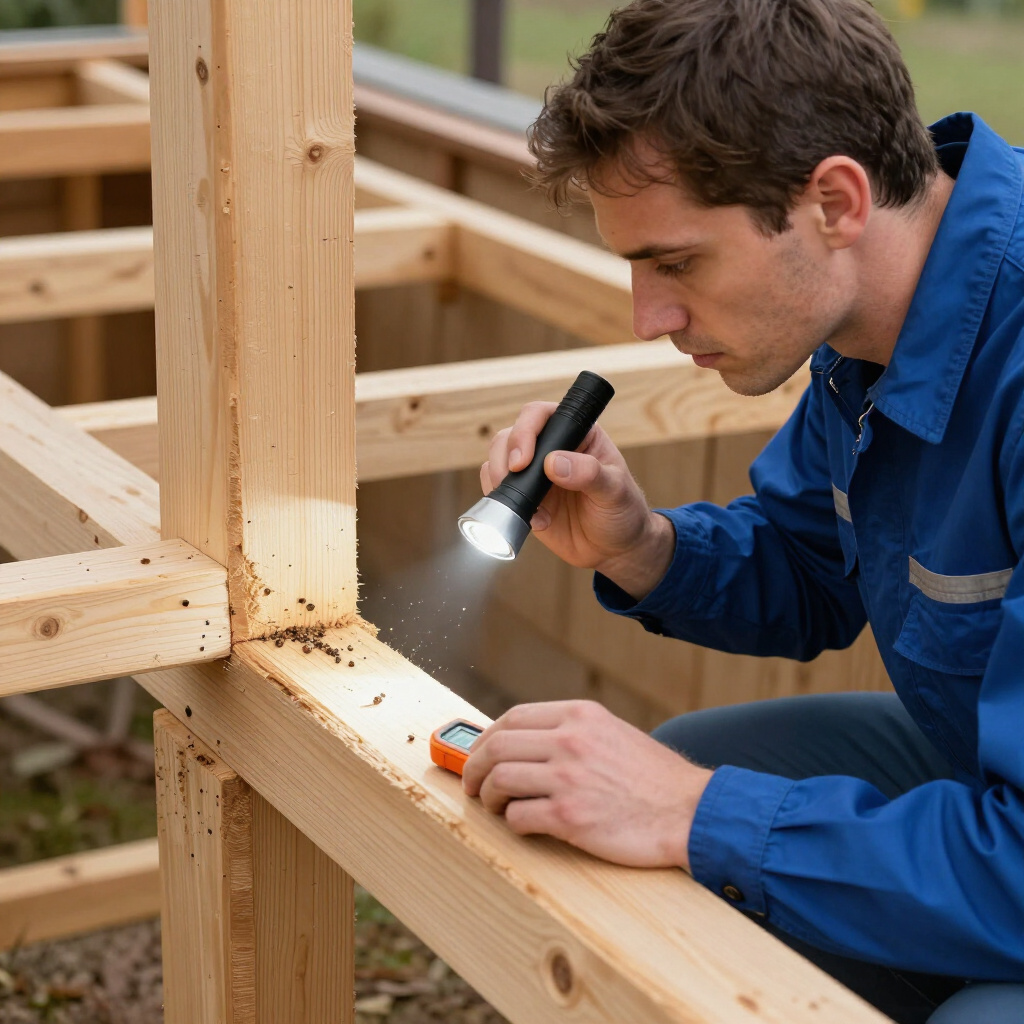
Address any moisture issues promptly. Fix leaky outdoor faucets, ensure gutters drain away from your foundation, and improve drainage in low spots where water collects. Inside, repair under-sink leaks and use a dehumidifier in damp basements or crawl spaces. Some ant species, like carpenter ants, are particularly drawn to moist, decaying wood and can cause structural damage over time.
Key Tips for Long-Term Ant Prevention
Consistency matters more than perfection when keeping ants at bay. Incorporate these habits into your routine for lasting protection:
Clean as you go. Don't let dishes pile up in the sink, wipe up spills immediately, and sweep floors regularly. The less food residue available, the less reason ants have to investigate.
Take out the trash frequently. Use bins with tight-fitting lids and rinse recyclable containers before tossing them. Garbage smells travel, and ants will investigate.
Use natural deterrents strategically. Cinnamon, peppermint oil, diatomaceous earth, and vinegar can discourage ants in specific spots. However, treat these as supplements to—not replacements for—the core strategies of sanitation and sealing entry points.
Monitor with purpose. Place sticky traps or bait stations near known entry points to detect activity early. If you catch a few scouts, you can act before a full trail establishes.
Know when to call a professional. If you're seeing large numbers of ants, finding multiple trails, or dealing with recurring invasions despite your efforts, a licensed pest control technician can identify the species, locate hidden nests, and apply targeted treatments that resolve the root cause.
Final Thoughts
Learning how to prevent ants from invading your home comes down to understanding what drives them indoors and systematically removing those incentives. Food control, physical exclusion, moisture management, and smart landscaping work together to create an environment where ants simply don't thrive. No single tactic is foolproof, but layered together, these strategies provide robust, lasting protection. Stay observant, act quickly at the first sign of scouting activity, and you'll spend far less time battling these persistent pests—and far more time enjoying your home in peace.