

There's something uniquely unsettling about walking into a room and spotting a spider dangling overhead or scurrying across the floor. While most spiders are harmless and even beneficial for controlling other insects, that knowledge rarely brings comfort when you're the one who has to deal with them. The good news? Keeping spiders out of your house doesn't require harsh chemicals or constant vigilance—just a few smart, consistent habits that make your home far less appealing to these eight-legged visitors.
How to Keep Spiders Out of Your House by Sealing Entry Points
Spiders are expert contortionists, capable of squeezing through gaps and cracks that seem impossibly small. If you want to keep them outside where they belong, start by becoming a detective in your own home.
Walk the perimeter with a critical eye. Check window screens for tears or loose frames, and examine door sweeps for wear—these are among the most common spider highways into your living space. Don't overlook utility penetrations where pipes and cables enter your home; these often have gaps that expand and contract with seasonal temperature changes.
Weatherstripping around doors and windows degrades faster than most homeowners realize. Replace it every few years, or sooner if you notice light peeking through closed entryways. For cracks in foundations, siding, or around vents, use silicone caulk or expandable foam appropriate for the material. Pay special attention to basement windows and crawl space vents, which tend to be forgotten maintenance zones.
Chimneys and attic vents deserve attention too. Install fine-mesh screens over these openings to allow airflow while blocking spider entry. The mesh size matters—opt for something fine enough to stop even small spider species without restricting ventilation.
Control the Environment That Attracts Them
Here's a truth many homeowners miss: spiders don't enter your house for shelter alone. They follow food. An abundance of flying insects, ants, or other small arthropods creates an all-you-can-eat buffet that spiders find irresistible.
Outdoor lighting is a major culprit in drawing insect prey. Traditional white bulbs positioned near doorways and windows act like neon signs for moths, flies, and mosquitoes—which in turn summon hunting spiders. Switch to yellow or amber LED bulbs, which are far less attractive to most insects. Better yet, position lighting away from the house and direct it toward entry areas, so the light source itself sits at a distance.
Interior humidity plays a surprising role in spider habitat selection. Many common house spiders prefer moist environments. Run dehumidifiers in basements, ensure bathrooms have adequate exhaust ventilation, and fix leaky pipes promptly. Dry environments simply don't support the insect populations that sustain spider colonies.
Your landscaping choices matter enormously. Wood piles, dense shrubbery, and accumulated leaf litter pressed against your foundation create perfect spider harborage. Maintain a vegetation-free zone of at least six to twelve inches around your home's base. Trim tree branches that touch or overhang your roof, as these serve as bridges for arboreal spider species. Store firewood on raised racks well away from exterior walls, and bring in only what you'll burn immediately.
Inside, clutter isn't just aesthetically displeasing—it's spider real estate. Cardboard boxes, stacked newspapers, and rarely disturbed storage areas offer undisturbed shelter and hunting grounds. Transition to plastic storage containers with tight-fitting lids, and commit to regular decluttering of basements, attics, and closets.
Key Tips for Ongoing Spider Prevention
Consistency separates spider-free homes from those locked in endless cycles of surprise encounters. Establish these habits and you'll dramatically reduce your spider population over time.
Vacuum thoroughly and regularly, targeting corners, ceiling junctions, behind furniture, and under appliances. This removes both spiders and the webs they depend on for prey capture. Use vacuum attachments to reach high corners and tight spaces. Dispose of vacuum contents outside immediately—spiders can survive the trip and crawl back out.
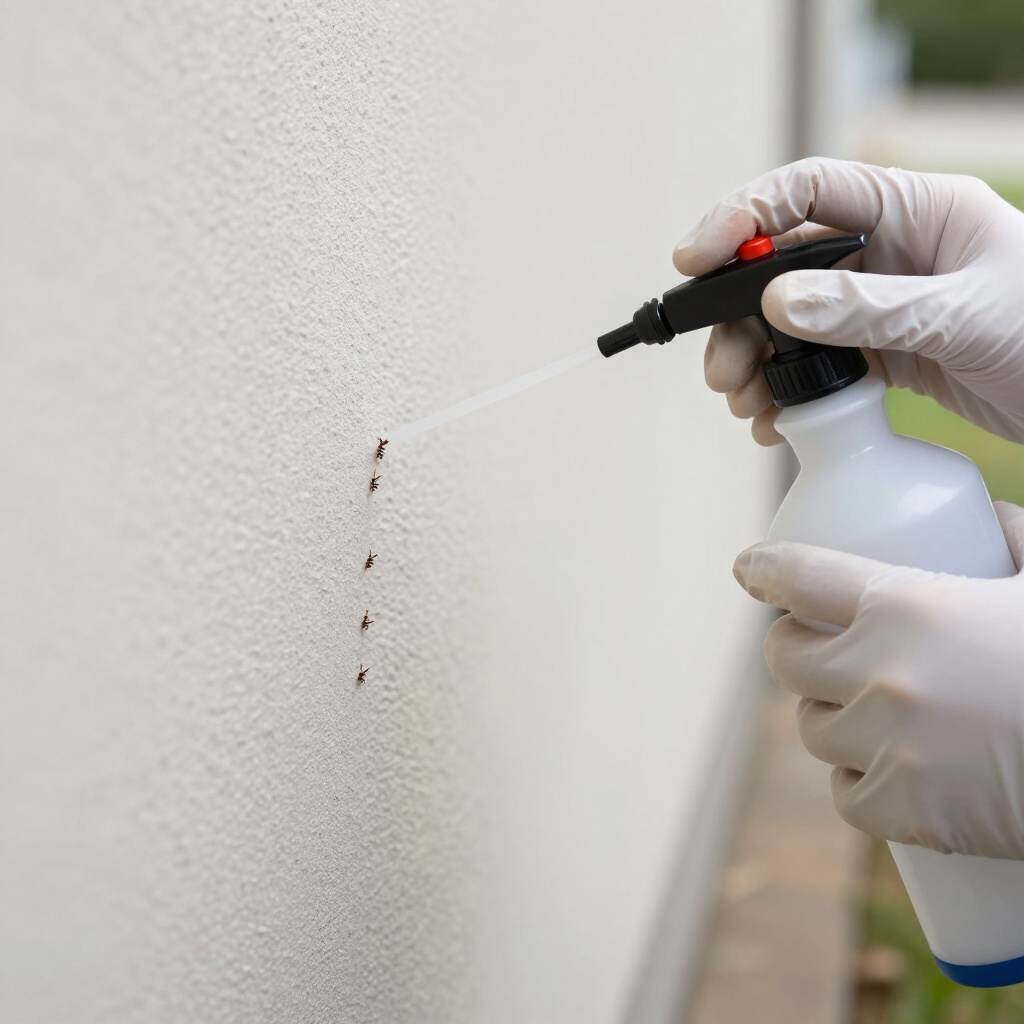
Natural deterrents offer gentle supplementary protection. Essential oils including peppermint, tea tree, eucalyptus, and lavender have documented spider-repellent properties. Mix fifteen to twenty drops with water in a spray bottle and apply to entry points, window sills, and baseboards weekly. Note that these require reapplication and work best as part of a broader strategy rather than standalone solutions.
Diatomaceous earth, a fine powder made from fossilized aquatic organisms, can be applied in thin layers along baseboards and in crawl spaces. It abrades the waxy coating on spider exoskeletons, leading to dehydration. Use food-grade product only, and avoid breathing the dust during application.
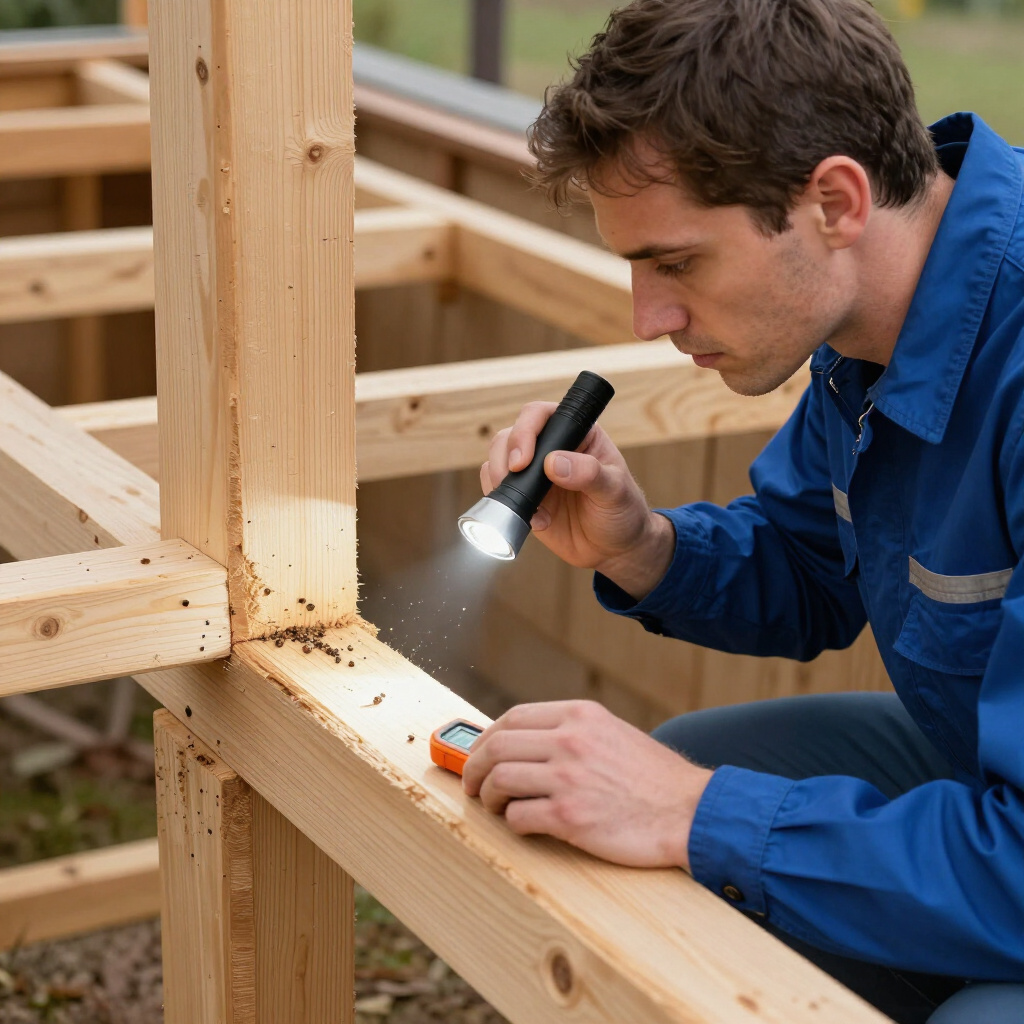
Annual professional inspections catch developing problems before they escalate. Pest management professionals identify hidden entry points, moisture issues, and conducive conditions that untrained eyes miss. They can also address any existing spider populations with targeted, minimal-impact treatments.
Finally, resist the urge to use broad-spectrum pesticide sprays indoors. These often prove ineffective against spiders due to their body structure and habits, while potentially driving insects deeper into hiding and disrupting natural predator-prey balances that actually help your cause.
Final Thoughts
Learning how to keep spiders out of your house comes down to understanding what they need and systematically removing it. Shelter, access, and food—these three pillars support every spider intrusion. Knock down even one, and you make progress. Address all three with the methods above, and you transform your home from an accidental spider sanctuary into a space they simply pass by.
The process requires some upfront effort, but the maintenance becomes routine quickly. More importantly, it works without turning your living space into a chemical zone or living in constant tension about what might drop from the ceiling. Take action this weekend, and you'll sleep easier knowing you've reclaimed your territory—eight legs and all.