
When ants march across your kitchen counter or you hear scratching in the walls at night, the first question that comes to mind is usually: should I handle this myself or call in the pros? Both DIY pest control and hiring a professional have their place, but knowing when to choose each approach can save you time, money, and a lot of frustration. Let's break down what you need to know to make the smartest decision for your home and family.
DIY Pest Control vs Hiring a Professional: What You Can Handle Yourself
There's a certain satisfaction in solving problems with your own two hands, and many minor pest issues are perfectly suited for the DIY approach. Store-bought traps, baits, and sprays have come a long way in effectiveness, making them viable options for specific situations.
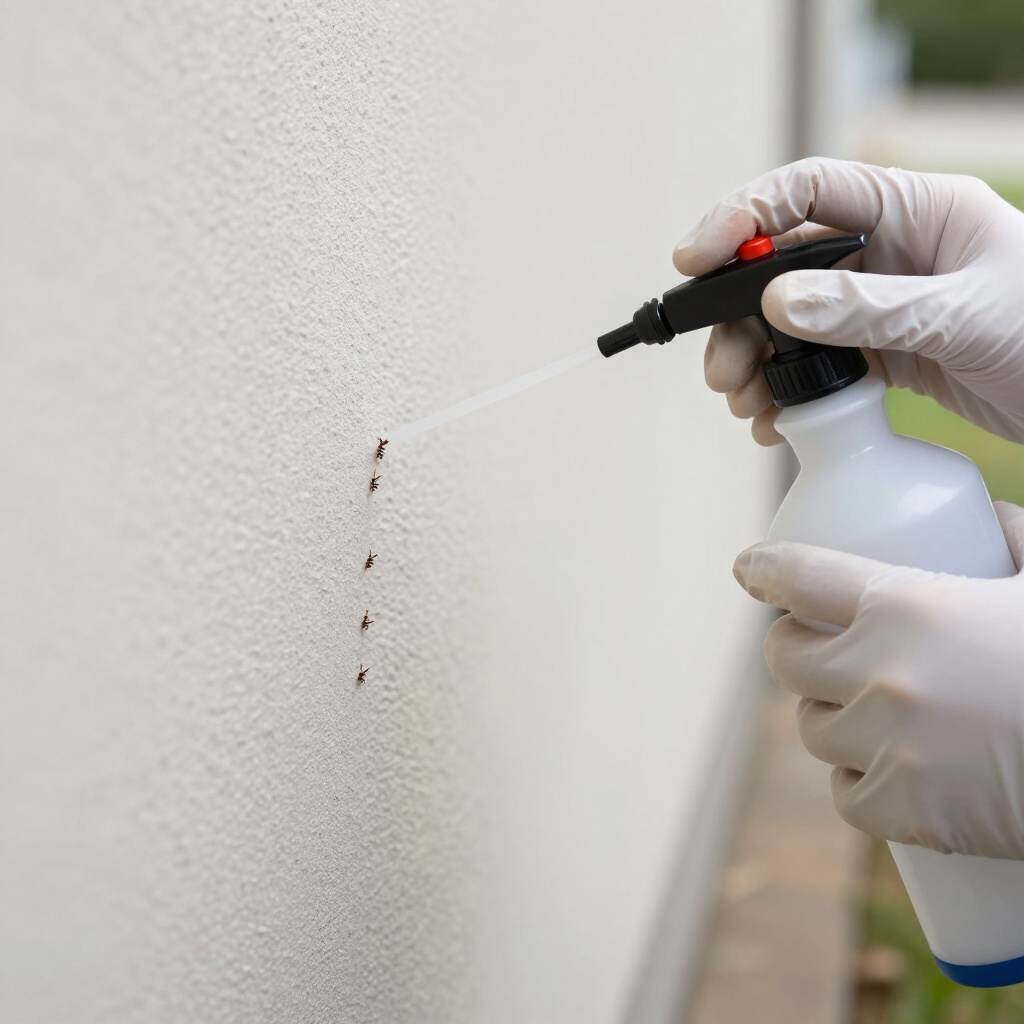
DIY methods tend to work best when you're dealing with a small, localized problem. A few ants finding their way to a sugar spill, the occasional spider in the basement, or a single wasp nest that's easily accessible and small—these are scenarios where a trip to the hardware store might be all you need. Preventative measures like sealing cracks, keeping food in airtight containers, and maintaining your yard also fall squarely in the DIY camp and should be part of every homeowner's routine.
The financial appeal is obvious: a $15 can of spray or a handful of bait stations costs far less than a professional service call. For budget-conscious homeowners, this upfront savings can feel like the obvious choice. Plus, you can act immediately rather than waiting for an appointment.
However, DIY pest control vs hiring a professional isn't always about the immediate price tag. What you save in dollars, you may spend in time, repeated attempts, and the stress of wondering whether you've truly solved the problem. Misidentifying a pest species, for instance, is a common DIY pitfall. That "harmless" ant trail might actually be carpenter ants, and using the wrong bait can make the infestation worse by causing the colony to split and spread.
Safety is another consideration often overlooked. Many homeowners don't read application instructions thoroughly, leading to overuse of chemicals in areas where children and pets spend time. Improper storage of pesticides also creates household hazards that professional technicians are trained to avoid.
When Calling a Professional Is the Smarter Move
Some pest situations demand expertise that goes far beyond what you can learn from a product label. Knowing when to escalate from DIY to professional intervention can prevent small problems from becoming expensive disasters.
Recurring infestations are your first red flag. If you've treated the same problem multiple times and it keeps coming back, you're likely addressing symptoms rather than the source. Professionals bring diagnostic skills to identify why pests are attracted to your property in the first place—whether it's moisture issues, structural vulnerabilities, or neighboring infestations creating pressure.
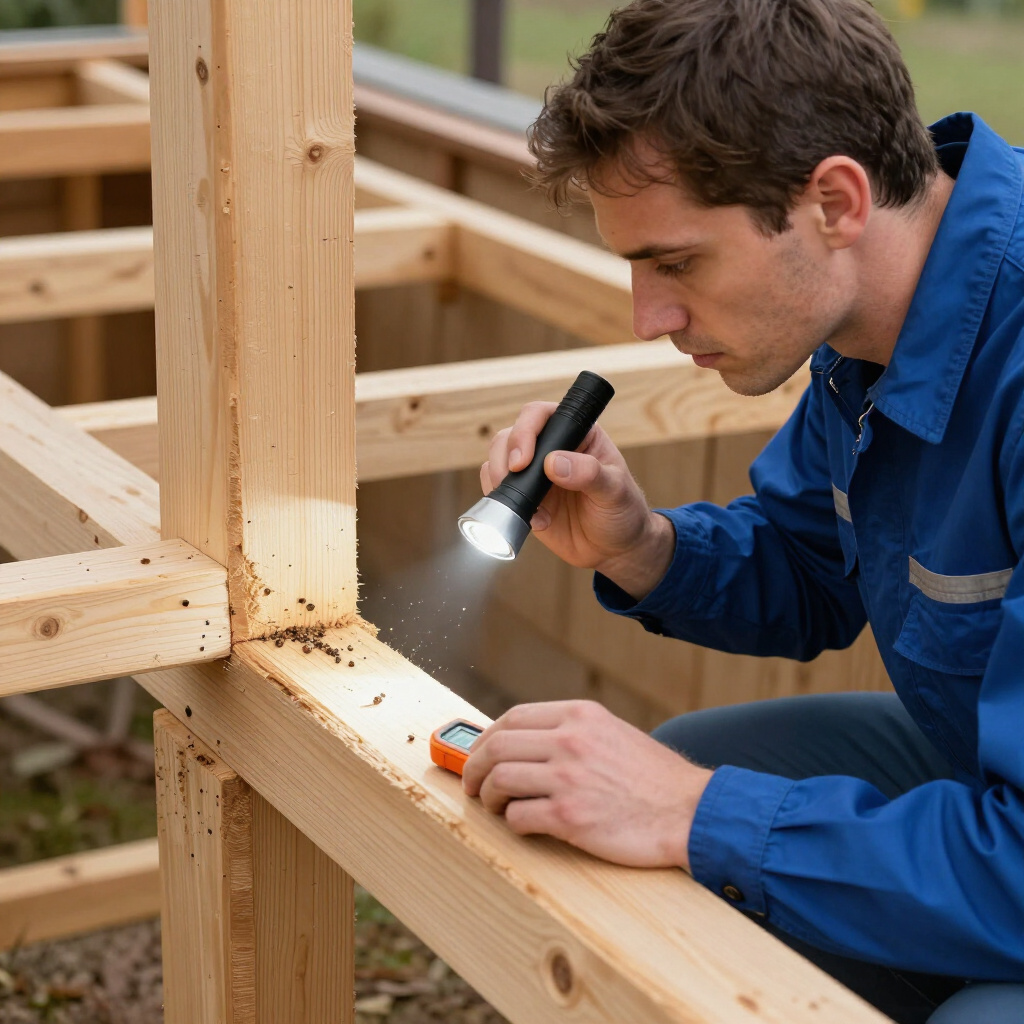
The type of pest matters enormously. Termites, bed bugs, and rodents each require specialized knowledge and tools that simply aren't available to consumers. Termites cause billions in property damage annually, often hidden behind walls until significant destruction has occurred. Bed bugs have developed resistance to many over-the-counter insecticides, and their ability to hide in tiny crevices makes thorough treatment nearly impossible without professional-grade heat or chemical systems.
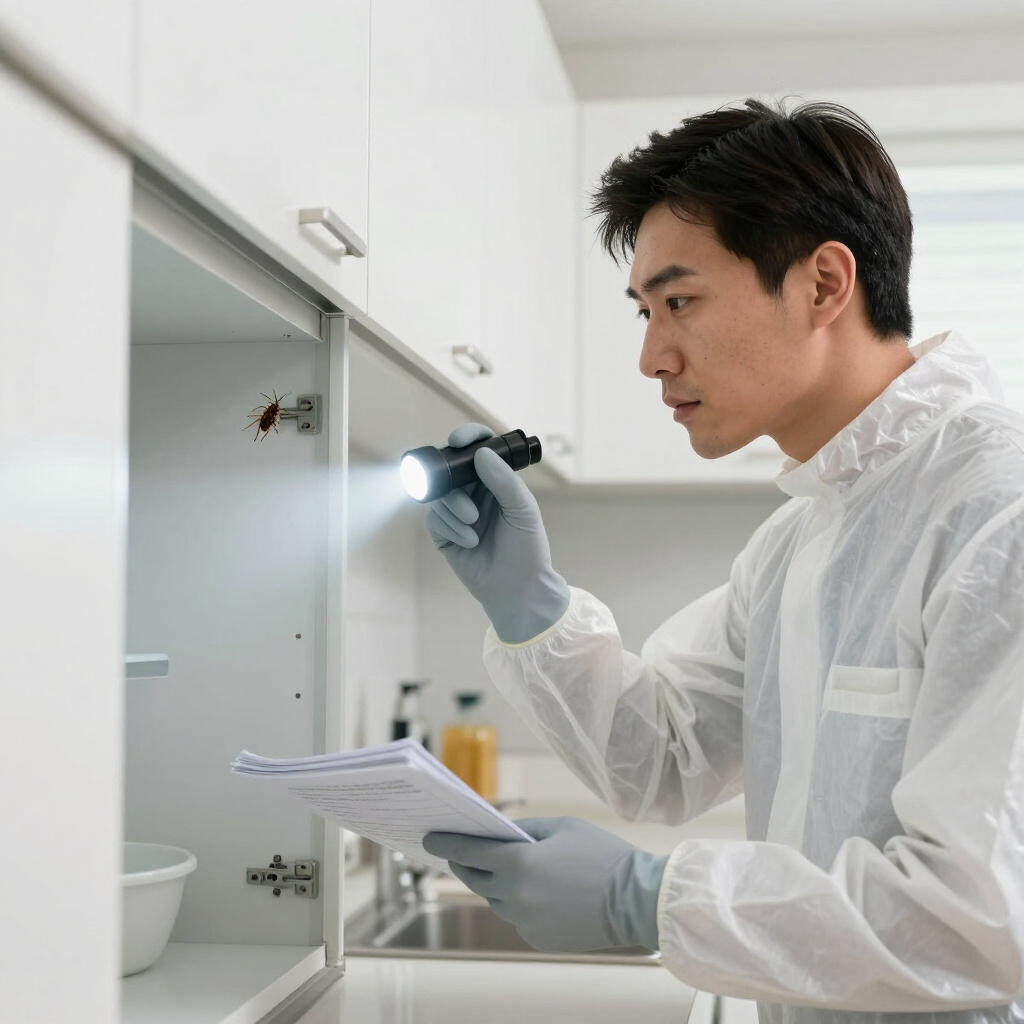
Health and safety risks should also drive your decision. Rodent droppings can carry hantavirus; cockroaches trigger asthma and allergies; certain spiders and stinging insects pose genuine medical dangers. Professionals have protective equipment and protocols that minimize these risks for everyone in the household.
Perhaps most valuable is the warranty and follow-up that reputable pest control companies provide. A quality service doesn't end with the initial treatment—it includes monitoring, retreatment if necessary, and ongoing prevention strategies tailored to your property's specific conditions.
Key Tips for Making Your Decision
Before you decide between rolling up your sleeves or picking up the phone, consider these practical guidelines.
Start with honest self-assessment. Are you comfortable identifying pests accurately? Do you have the time to research proper treatment methods and apply them correctly? Are you willing to handle dead pests and potentially hazardous materials? Your honest answers will point you toward the right choice.
Calculate true costs, not just sticker prices. Factor in repeated product purchases, your time, potential property damage from ineffective treatment, and health risks from improper chemical use. Sometimes the "expensive" professional option is actually more economical when viewed over months rather than days.
Research before you commit. For DIY, read verified reviews of products and follow university extension service guidelines. For professionals, look for licensed, insured companies with strong local reputations. Ask about their treatment methods, guarantees, and whether they offer integrated pest management approaches that minimize chemical use.
Consider hybrid approaches. Some homeowners handle routine prevention themselves while establishing a relationship with a professional for annual inspections or emerging problems. This gives you the best of both worlds—control over your day-to-day environment with expert backup when complexity exceeds your comfort zone.
Trust your instincts when something feels wrong. Unusual pest behavior, pests appearing in multiple areas simultaneously, or any signs of structural damage warrant professional eyes sooner rather than later. Waiting rarely makes pest problems cheaper or easier to solve.
Final Thoughts
The debate between DIY pest control vs hiring a professional doesn't have a one-size-fits-all answer. Your best path depends on the pest involved, the scope of the problem, your comfort with chemicals and dead creatures, and how much time you can realistically dedicate to the issue.
For minor, isolated incidents, DIY methods can be perfectly adequate and satisfyingly self-sufficient. But when infestations persist, involve destructive or dangerous species, or threaten your family's wellbeing, professional expertise pays dividends that far exceed the service cost. The smartest homeowners know when to handle things themselves—and when to hand the reins to someone with the training, tools, and experience to protect what matters most.